Facial dermal fillers sit in an interesting space between skincare and surgery. They can soften etched lines, replace lost volume, and nudge features back into balance without an operating room. Yet expectations around injectable dermal fillers often skew in two directions: either instant perfection or fear of looking “done.” Real outcomes live between those extremes, shaped by anatomy, product choice, and the skill of the dermal filler provider.
After fifteen years working alongside dermatologists and plastic surgeons, I’ve watched thousands of filler journeys unfold. The experiences share common rhythms but differ in the details. Think in terms of timelines, not just before-and-after photos. A single image captures a moment, while a realistic plan accounts for swelling, integration, touch-ups, and maintenance.
What “before” actually looks like
Most people don’t book a dermal filler consultation the day they first notice a line. It happens when a friend asks if you’re tired, or concealer starts pooling in creases, or selfies highlight hollows you never saw in your twenties. Photographs in indirect light tend to show the earliest shifts: the crescent of the tear trough, slight flattening of the cheeks, the start of a shadow at the corner of the mouth, thinner lips that lose definition at the cupid’s bow.
Age is a factor, but not the only one. A distance runner in her thirties can have the same cheek volume loss as someone a decade older with softer lifestyle habits. Weight changes, genetics, dental wear, and even a long history of sinus issues can influence dermal fillers FL where volume recedes first. During a dermal filler consultation, a careful dermal filler specialist studies dynamic expression as well as resting contours. The goal is not to chase lines, but to map out how the face moves and where structural support will make the biggest difference.
The practical “before” also includes medications and health context. Blood thinners and some supplements can increase bruising. Active skin infections, autoimmune conditions, recent dental work, and pregnancy affect timing or eligibility for dermal filler injections. Honest disclosure here prevents complications later.
Matching goals with the right product
Cosmetic dermal fillers fall into several categories. The most common are hyaluronic acid fillers, followed by calcium hydroxylapatite and poly-L-lactic acid. Collagen fillers exist but are less frequently used than in the past. Hyaluronic acid fillers dominate for good reason: they come in varied viscosities, integrate naturally, and can be dissolved with hyaluronidase if needed. That reversibility is a comfort, especially for first-timers or delicate areas like under eye fillers.
The choice among hyaluronic acid families and dermal filler brands matters more than brand loyalty. Finer gels are ideal for the tear trough and superficial fine lines, midweight gels suit lip fillers and nasolabial fold fillers, while more robust gels can lift cheeks or contour a jawline. Long lasting dermal fillers are not always the best choice for high-motion zones like the lips. A filler that lasts 12 to 18 months in the cheeks might look great but feel too firm near the mouth. When someone insists on the “best dermal fillers,” the honest answer is, the best product is the one that fits the job and your tissue.
Non hyaluronic fillers, such as calcium hydroxylapatite and poly-L-lactic acid, work better as structural or collagen-stimulating tools. They can be excellent for lower face support or diffuse volume restoration, but they are not first-line for tear trough fillers and they cannot be dissolved quickly. This is where a dermal filler provider’s judgment is critical. They aren’t just injecting gel, they are engineering force and flow in a living structure.
The day of treatment: what actually happens
A standard dermal filler procedure begins with photography, cleaning, and mapping. Some clinics use a topical anesthetic, others rely on the lidocaine built into many injectable fillers. If cannulas are used for facial filler injections, a small pilot puncture with a needle allows the blunt cannula to thread under the skin. Cannulas can reduce bruising and give broad, smooth placement, especially for cheeks, under eyes, and marionette line fillers. Needles offer precision in sharper areas like the vermilion border for lip definition or small wrinkle fillers.
The actual injecting usually takes 15 to 45 minutes, depending on the plan. The sensation ranges from pressure to mild stinging. Most people find lip filler injections the most intense, cheeks and jawline fillers more tolerable. The immediate post-injection look is not the final look. Expect swelling. The upper lip swells more than the lower. Tear troughs can puff slightly. Bruising can appear even with perfect technique, especially in fair, thin skin.
People often ask about pain and downtime. With modern techniques, discomfort is manageable and downtime is more about social comfort than true medical recovery. Many go back to work the same day. If a major event is ahead, the rule of thumb is to schedule at least two weeks before, and for under eye fillers, a month is better.
The first 48 hours: what’s normal, what’s not
Swelling peaks in the first day or two. It can be asymmetric. One side may look fuller even if the injections were symmetric. This is inflammation, not necessarily poor placement. Lips can look like they were “overdone” for a day, then settle by half. Bruising ranges from a pinprick dot to a small patch that tracks with gravity.
A small number of patients feel nodules or threads when they touch the area. Most of these represent the product still finding its level in tissue. Hyaluronic acid fillers are hydrophilic, so water attraction can add to the early fullness. Cool compresses help, as do sleep and hydration. Alcohol and vigorous exercise can prolong swelling and increase bruising. In the rare case of escalating pain, dusky skin, or mottling, call the clinic immediately. Vascular compromise is uncommon but serious, and it needs rapid attention, including possible hyaluronidase.
The one-week mark: the first true preview
By day 5 to 7, swelling and bruising have improved significantly. This is the point where many people start to appreciate the shape and support. Cheek fillers give a gentle lift at the outer face, taking weight off nasolabial folds. A conservative lip filler treatment brings back the peaks of the cupid’s bow and better hydration without creating a tube-like profile. Jawline fillers sharpen the mandibular angle and reduce the look of jowls by anchoring soft tissue upward.
I like to think of the one-week check as a preview, not the verdict. The filler is more stable, but the dermis and ligaments are still adjusting to their new loads. In dynamic areas like the mouth, early smiles or pouts can look a touch stiff. That softens over another week or two.
The one-month point: the after that matters
At four weeks, the majority of hyaluronic acid fillers have fully integrated. Mild initial asymmetries usually even out. The face often looks like a better-rested version of itself rather than “filled.” Friends might ask whether you changed your skincare routine or got a haircut. That’s the most common feedback by design. If the goal was facial rejuvenation fillers that read as refreshed and proportionate, this is when you can measure success.
The one-month mark is also the best time for a touch-up. Small refinements, an extra 0.2 to 0.5 mL to balance a lip edge, a tiny top-up at the apex of a cheek, or a half syringe to smooth a persistent shadow at the nasolabial fold, make a bigger difference than trying to perfect everything on day one. That staged approach reduces risk and respects how real faces integrate product.
How long results last
Dermal filler longevity depends on several variables: product choice, area, metabolism, and motion. Hyaluronic acid fillers in the cheeks often last 12 to 18 months, sometimes longer. Tear trough fillers can persist up to 18 to 24 months because the under eye moves less and the skin is thin. Lip fillers turn over faster, typically 6 to 9 months, sometimes less for fast metabolizers or heavy exercisers. Nasolabial fold fillers and marionette line fillers live in high-motion zones and often sit in the 9 to 12 month range.
Non hyaluronic products that stimulate collagen, such as calcium hydroxylapatite or poly-L-lactic acid, follow different rules. Results build gradually over a few months and can last up to two years, but these require a series and are not suitable for every site. Temporary dermal fillers are safer in areas where shape and light reflection are critical, like the tear trough or the vermilion border.
Maintenance visits usually run once or twice a year. Some patients prefer micro-maintenance, placing small amounts every 4 to 6 months to avoid big swings. Others return annually for larger refreshes. Both strategies work if they are planned and measured.
How much product does it really take
St Johns FL dermal fillers consultationThe internet loves to ask how many syringes someone needs, but syringes are small. One syringe holds 1 mL. A teaspoon is about 5 mL. Most midface restorations that truly lift and re-support require 2 to 4 mL across the cheeks, sometimes more for significant volume loss. Tear troughs are usually subtle, 0.2 to 0.5 mL per side. Natural looking lip volumizing often sits at 0.5 to 1 mL on a first session. Jawline definition can range from 1 to 4 mL depending on the length of the jaw, fat distribution, and goals.
These numbers are not quotas. They are starting points based on anatomy and outcome. The mistake I see frequently is trying to fix the lower face with nasolabial fold fillers alone when the root cause is midface descent. Placing filler where the fold lives without restoring cheek support can create a flat, heavy look. Proper sequencing matters as much as totals.
The cost conversation
Dermal filler cost varies by city, clinic, and brand. In the United States, a syringe of hyaluronic acid filler often ranges from 500 to 900 dollars, with premium or specialized products at the higher end. The dermal filler price does not only reflect the product. You are also paying for training, assessment, sterile technique, complication management, and follow-up care. Some clinics charge by area, others strictly by the syringe. If you are quoted a price that seems too good to be true, ask whether the product is medical grade dermal filler from an authorized distributor, and whether a licensed dermal filler specialist performs the injections.
People sometimes frame price as an objection until they see the ripple effects of a poor experience. Fixing overfilling, incorrect placement, or vascular events is more expensive and stressful than getting it right. Economize on shoes, not your face.
Safety first: risks, side effects, and mitigation
Dermal filler safety has improved enormously, but not because the fillers magically stopped being needles and gel. Safety improved because training improved. The risks fall into several buckets. Short-term effects include swelling, bruising, tenderness, and rare infection. Delayed effects include lumps, nodules, biofilm, and the Tyndall effect, a bluish hue under thin skin when filler is placed too superficially. The most serious risk is vascular occlusion, where filler enters or compresses a blood vessel, blocking blood flow.
A safe dermal filler clinic emphasizes prevention: thorough anatomy knowledge, gentle technique, appropriate product choice, aspiration or low-pressure injection when indicated, and a plan to treat complications immediately. For patients, the best safety step is selecting a professional dermal filler provider with deep experience and a conservative eye. If your injector welcomes questions, discusses risks, and tells you when not to do something, you’re in good hands.
The touch-up cycle and why it works
Staged treatments lead to better results. When we layer small amounts over two visits, the face adapts. Subtle asymmetries are easier to judge when the initial swelling has resolved. It also gives you agency. Instead of leaving a first appointment locked into a volume you aren’t sure about, you can live with a refreshed look for a few weeks, then decide whether you want a bit more. This approach is particularly useful for lip fillers, tear trough fillers, and first-time cheek fillers.
The opposite approach, placing everything at once, still has a place when time is limited or volume loss is advanced. The trade-off is more swelling and a higher chance of needing refinement. Your injector should help you choose based on timelines and social calendar.
Area-by-area timelines and expectations
Lips: Day 1, swollen and sometimes uneven. Day 3 to 5, major swelling down, dryness common as the mucosa stretches. At two weeks, the shape settles and the border looks cleaner. Good for people seeking hydration and subtle volume. Those wanting dramatic volume will need staged sessions or a frank talk about proportion.
Tear troughs: Early puffiness or mild under eye swelling can last 3 to 10 days. Tyndall risk exists if filler is placed too superficially or the product is too hydrophilic. Under eye fillers should be subtle, more shadow correction than fullness. Expect results to last longer than lips, but be patient with the early phase.
Cheeks: Often the least dramatic in photos and the most impactful in person. They re-balance the face, reduce nasolabial heaviness, and improve light reflection. Swelling is mild, and results stabilize by two weeks. Longevity is on the longer side.
Nasolabial folds and marionette lines: Motion-heavy zones settle over 10 to 14 days. A gentle hand prevents a stuffed look. Fold fillers work best when paired with midface support so you are not overfilling the crease.
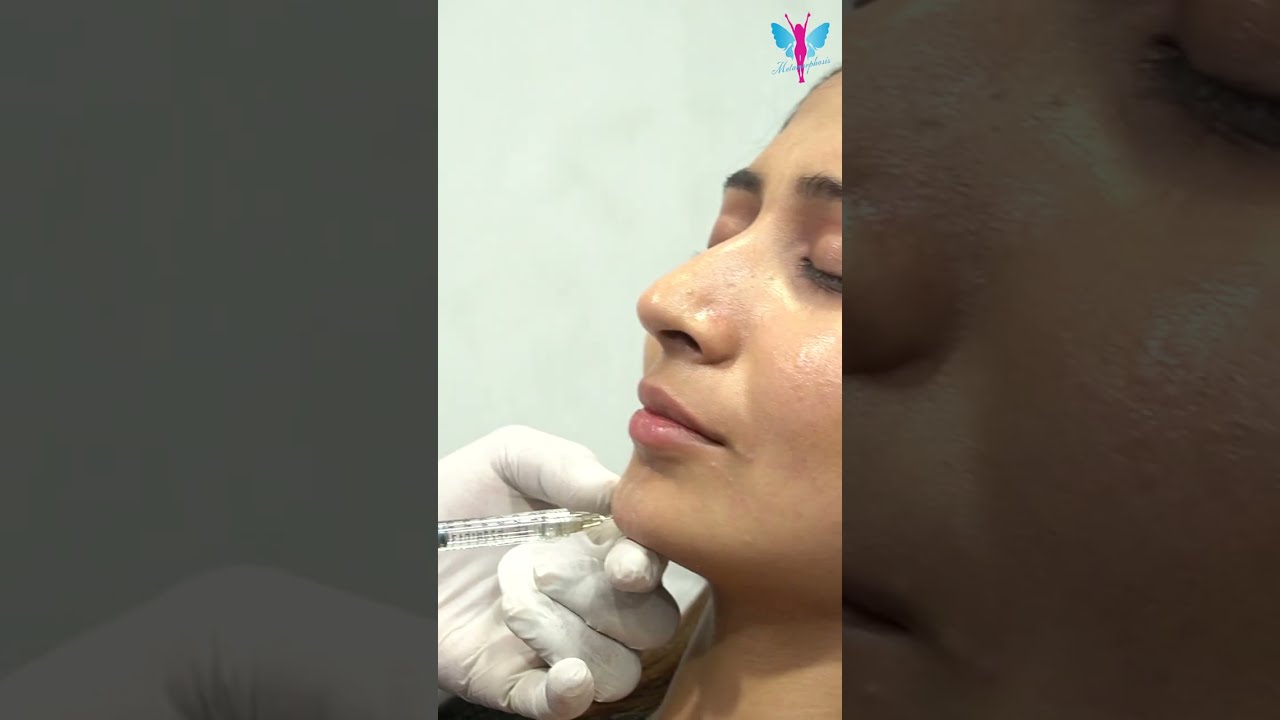
Jawline and chin: Immediate definition with some firmness early on. Bruising is less common. Men often appreciate the structural nature of jawline fillers, while women may want a softer taper. Chin fillers can subtly rotate the lower lip or improve profile balance. Full integration in about two weeks.
Who should wait or avoid fillers
Not every face, or season of life, benefits from injectable dermal fillers. If you have an active skin infection, are pregnant or breastfeeding, recently had a dental procedure that could seed bacteria, or have uncontrolled autoimmune disease, postpone. If you are pursuing major weight loss, wait until you stabilize so your injector is designing for your future face, not the current one. If your expectations center on surgical changes, such as removing heavy jowls or a very deep neck, a non surgical face filler strategy will only bring incremental improvement. A referral to a surgeon shows a provider cares more about outcomes than invoices.
Working with your injector
Think of the relationship as a years-long plan rather than an isolated appointment. A skilled dermal filler specialist will ask about how you move, sleep, exercise, and photograph. They will take a long look at old photos to understand your facial baseline before volume shifts. They will explain why under eye fillers might make sense only after cheek support, or why a small chin advancement can make a nose appear smaller without touching the nose.
Honest dialogue also prevents trend chasing. If a patient brings in a heavy, filtered lip shape that does not suit their profile, the right answer is a gentle no or a compromise plan using natural looking dermal fillers and precise placement. The best injectors are guardians of your face. They consider how decisions today affect your options years from now.
Maintenance, metabolism, and lifestyle
Fillers fade slowly, not overnight. When I ask patients when they felt ready for a refresh, most point to texture changes or the return of a shadow in a certain light. Athletes who do high-intensity training sometimes metabolize fillers faster. Heavy sun exposure degrades collagen and threatens overall skin quality, which can make results read as weaker even if some product remains. Good skincare and sun protection support filler therapy for aging by keeping the canvas healthy.
If budget is a constraint, prioritize structural areas with longer-lasting returns. Cheeks and chin routinely provide more mileage than serial lip bumps. Discuss a calendar that spaces treatments sensibly. It is better to do less with skill than more without a plan.
A case-based look at timelines
A 42-year-old attorney with midface deflation and early marionette lines seeks a fresher look before a trial calendar. Plan: 2 mL across the cheeks and 0.5 mL at marionettes on day one, with a follow-up in four weeks. Day 2, mild swelling resolves with cool compresses. Day 7, shadows soften around the mouth. At day 28, a 0.5 mL top-up focuses on the lateral cheek for better light. She returns nine months later for maintenance with 1 mL total to maintain facial volume restoration.
A 28-year-old fitness instructor wants hydration and shape for thin lips, but fears an obvious change. Plan: 0.6 mL soft hyaluronic acid to body and border, avoiding over-projection. Day 1, swelling looks big; day 3, much better. At two weeks, she loves the definition but wants slightly more. An additional 0.3 mL rounds out the cupid’s bow. She returns at six months for a micro-top-up of 0.4 mL, keeping a natural look.
A 55-year-old man with tear troughs and a weak chin seeks less “tired” eyes. The assessment shows volume loss at the cheeks and a retrusive chin. Plan: initial 2 mL in cheeks and 1 mL to the chin. Tear troughs are deferred for safety and better outcomes. At one month, a subtle 0.3 mL per tear trough completes the correction. He looks more alert without anyone noticing a specific change, and the results last well beyond a year in the midface and chin.
When to dissolve and start over
Hyaluronic acid fillers can be dissolved with hyaluronidase. This is valuable for misplaced product, visible lumps, or the Tyndall effect. It is also a reality check when someone arrives with heavily overfilled lips or a shelf-like tear trough from prior work. Dissolving resets the canvas. The process can take one to several sessions depending on the amount and type of filler. Waiting a couple of weeks after dissolving before re-injecting allows swelling to resolve and improves precision.
Dissolving is not a failure. It is a patient-centered course correction. If your injector never mentions hyaluronidase or discourages its use when it is clearly indicated, that is a red flag.
Two short guides you can keep
Pre-treatment checklist:
- Schedule filler injections at least two weeks before major events, four weeks for under eye fillers. Pause blood-thinning supplements like fish oil, ginkgo, and high-dose vitamin E a week prior if your physician agrees. Arrange your day so you can avoid strenuous exercise and alcohol for 24 hours after the dermal filler procedure. Arrive with a clean face and be ready for photos that document the journey. Clarify your priorities in order: shape, smoothness, or lift, so the plan targets the right outcome.
Post-treatment care, first 72 hours:
- Use cool compresses 10 minutes on, 10 minutes off, a few times the first day to limit swelling. Sleep on your back with your head elevated the first night. Avoid saunas, hot yoga, and heavy workouts that increase heat and blood flow. Skip facials and dental procedures for two weeks to minimize infection risk. Contact your dermal filler clinic right away for severe pain, mottled skin, or visual changes.
Final thoughts on realistic results
Dermal fillers are tools, not magic. Done well, they make people look like the best version of themselves. Natural looking dermal fillers respect your anatomy and personality. The before feels like shadows and flatness, the after reads as better light and proportion. The most satisfied patients share patterns. They choose experienced injectors, accept conservative starts, give the product time to settle, and maintain on a schedule that suits their life and budget.
If you are considering cosmetic filler treatment, bring a few unfiltered photos of your younger self to your facial filler consultation. Note what has changed, not just what you dislike. Ask about sequencing, product choices, and how the plan addresses cause rather than symptom. The best roadmap blends science with restraint, balancing anti wrinkle filler injections, volume restoration fillers, and face contouring fillers to support your features over time. The result is a portfolio of subtle, compounding gains that still look like you, simply fresher and more confident each season.