Dermal fillers sit at the crossroads of art and medicine. Done well, they soften lines, restore volume, and refresh contours without announcing themselves. Done poorly, they can look obvious or, in rare cases, cause serious complications. I have spent years working with injectable dermal fillers, from early collagen formulations to today’s highly sophisticated hyaluronic acid gels and calcium hydroxylapatite suspensions. The difference between a satisfying result and a problem usually comes down to three things: the product, the plan, and the hands that hold the syringe.
This guide unpacks what makes safe dermal fillers safe, the risks that truly matter, and the practical steps that providers take to keep those risks low. It also touches on dermal filler cost and what determines value, because price and safety often travel together. Whether you are considering lip fillers for subtle definition or under eye fillers for tear trough shadows, the same core principles apply.
What “safe” really means with injectable fillers
No medical treatment is risk free. Safe dermal fillers means a combination of product quality, appropriate selection for the indication, and a dermal filler specialist who respects anatomy and uses sound technique. It also means setting conservative goals and choosing reversible options where prudence suggests it. Hyaluronic acid fillers, for example, can be dissolved with hyaluronidase if there is a misplacement, overcorrection, or a vascular safety issue. That reversibility, paired with a strong safety record, is part of why hyaluronic acid fillers dominate.
Safety also means standardization. Reputable dermal filler brands undergo rigorous clinical testing and are manufactured to tight specifications. Crosslinking technology, particle size, elastic modulus, and cohesivity all influence how a gel behaves in tissue. The product used for nasolabial fold fillers or marionette line fillers often differs from what a clinician chooses for cheek fillers or jawline fillers. A good dermal filler provider picks the gel that best matches the tissue plane and the mechanical demands of the area.
The spectrum of dermal filler types and why it matters
Hyaluronic acid fillers are the workhorse. They are temporary dermal fillers that typically last six to eighteen months depending on the formulation, location, metabolism, and movement in the area. They suit facial dermal fillers across multiple zones, including lip fillers, tear trough fillers, smile line fillers, and chin fillers. Because they integrate well and can be reversed, they are the first choice for many.
Calcium hydroxylapatite (CaHA) and poly-L-lactic acid (PLLA) are biostimulatory. CaHA offers immediate structure then stimulates collagen for longer lasting dermal fillers, often used for jawline definition or lower face support when soft tissue fillers need more lift. PLLA works gradually over months, encouraging collagen formation for skin rejuvenation fillers and broader volume restoration. These are not easily reversible, so patient selection and an experienced dermal filler specialist are critical.
Collagen fillers exist but are now niche compared with hyaluronic acid. Autologous fat transfer can also restore facial volume, yet it is a different procedure entirely, with its own risk profile and recovery.
A filler’s rheology determines where it belongs. A viscoelastic gel with higher G’ (stiffness) can contour a jawline or cheek when placed deep along bone. A softer, more spreadable gel suits mobile areas like the lips or the mid-dermis for fine wrinkle fillers. Under eye fillers demand a smooth, low-swell product that stays put in a delicate space. When clinicians talk about advanced dermal fillers, they often mean the refined control offered by modern rheology, not that the product is somehow radical.
Real risks, not scare stories
Most filler side effects are minor and short-lived: swelling, redness, tenderness, and occasional bruising. These usually fade within a few days. Temporary asymmetry, especially after lip fillers, can happen while swelling settles. Lumps or unevenness may appear if product clusters or attracts water, but careful massage and time often remedy this. If a bump persists, hyaluronidase can soften or dissolve hyaluronic acid fillers.
More serious complications are uncommon but deserve dermal fillers FL attention. Vascular occlusion is the one every injectable clinician respects. It occurs when filler compresses or enters a blood vessel, reducing blood flow to skin or downstream tissues. Prompt recognition matters: severe blanching, intense pain out of proportion, livedo patterns, or cool skin are warning signs. With hyaluronic acid gels, high-dose, repeated hyaluronidase administered early, along with warm compress and other measures, usually restores perfusion. Knowledge of anatomy minimizes this risk, and so does the use of cannulas in certain zones, micro-aliquots, slow injections, and careful aspiration when appropriate.
There is also the rare but severe risk of vision changes with injections around the nose, glabella, and forehead. It is rare enough that many providers will either avoid high-risk planes in those areas or use ultra-conservative techniques. Choosing a dermal filler clinic that adheres to strict protocols and has hyaluronidase on hand is non-negotiable.
Delayed inflammatory nodules, biofilm, and hypersensitivity reactions can develop, sometimes weeks to months later. Good sterile technique, avoiding injections into inflamed or infected skin, and selecting reputable medical grade dermal fillers help keep this risk low. When these events occur, they may require antibiotics, hyaluronidase for hyaluronic acid products, corticosteroids, or other therapies depending on the culprit.
Migration gets a lot of online attention. True migration is uncommon with modern gels when placed correctly, though overfilling, poor plane selection, and constant mechanical pressure can contribute. The most frequent offender is the lip, which is why minimalist dosing and appropriate intervals matter in filler maintenance.
How experienced clinicians minimize risks
I think of safe technique as a chain with several links. Break any link, and risk rises. The first link is the dermal filler consultation. A thorough consultation is where medical history, medications, prior cosmetic filler treatment, dental procedures, autoimmune conditions, and pregnancy status come to light. Blood thinners, supplements like fish oil or ginkgo, and alcohol can increase bruising. Recent dental work can raise the risk of bacterial seeding. A history of cold sores means prophylaxis may be warranted for lip injections. This front-end information shapes a safer plan.
The next link is design. Not every face needs the same approach, and not every concern calls for a filler. Sometimes neuromodulators do more for dynamic wrinkles. Sometimes skin quality treatments outshine volume. When dermal filler injections are indicated, a map is drawn: which zones, how deep, which product, and how much. For under eye fillers, for instance, a low volume approach with a soft gel in a deep, precise plane is essential.
Sterility and preparation matter. Disinfecting the skin with chlorhexidine or alcohol, avoiding makeup on treatment day, and using sterile technique reduce the risk of infection and delayed nodules. Good lighting, a calm environment, and a patient who is not rushed all contribute to safer care.
Technique comes next. For many areas, cannulas reduce the risk of intravascular injection and bruising because they tend to glide past vessels rather than pierce them. Needles allow precise placement in tight spaces. Both tools have a place. Micro-boluses, linear threading, and feathering are just variations on the same fundamental: small amounts, placed thoughtfully. Injectors who constantly reassess while sculpting, rather than dumping large volumes, achieve smoother, more natural looking dermal fillers.
Finally, aftercare seals the safety envelope. Patients receive clear instructions: avoid strenuous exercise and heat for 24 to 48 hours, sleep with the head slightly elevated the first night for lip fillers, and do not massage unless instructed. Many clinicians schedule a short check-in around two weeks, when swelling is gone and judicious top-ups can fine-tune the result.
Product selection by area, with trade-offs
Lip fillers prioritize softness and flexibility, otherwise the mouth can feel stiff or look blocky. The trade-off is longevity, as softer gels may metabolize faster in a high-motion zone. Cheek fillers, on the other hand, benefit from structure to lift the midface and reduce nasolabial heaviness indirectly. A more robust gel placed along the zygomatic arch or deep on bone gives angled support and can last a year or longer.
Tear trough fillers require caution. The skin is thin, and the area can swell. A low-hydrophilic, soft hyaluronic acid gel is usually preferred, placed deep above bone, in small amounts. Overcorrection looks puffy or bluish. Less is often more.
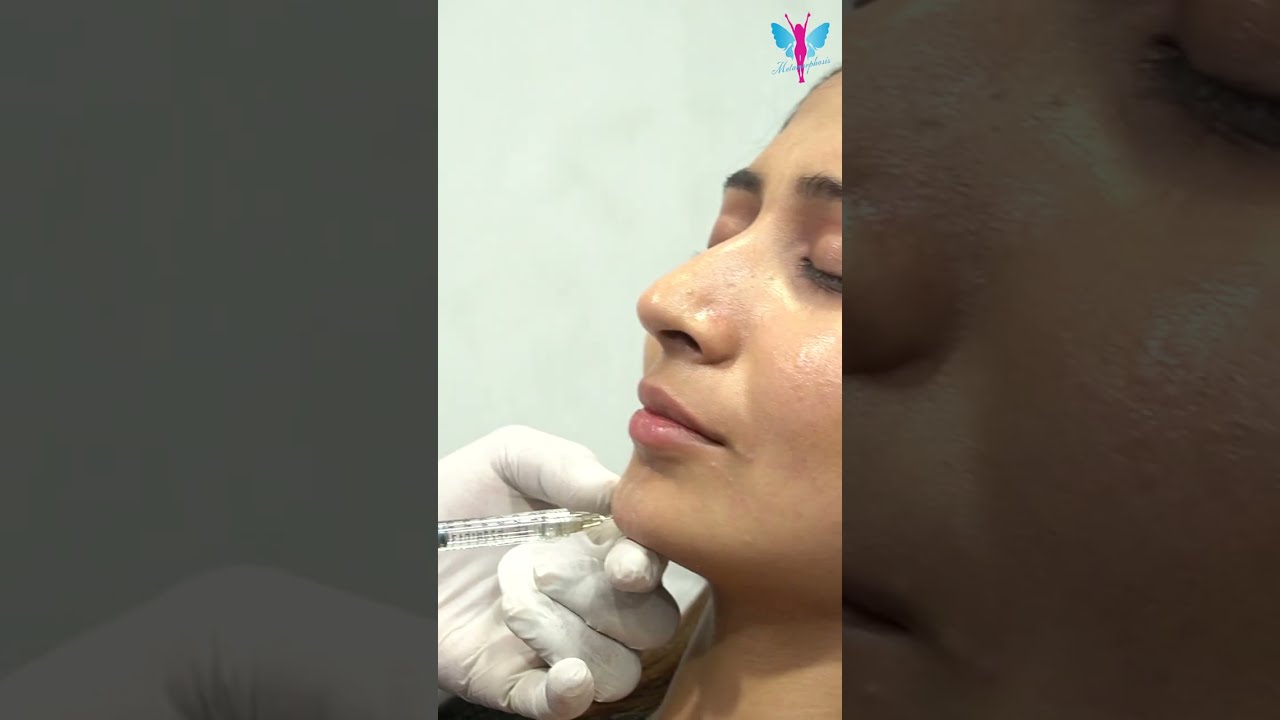
For jawline fillers, a firmer gel or CaHA can sharpen the gonial angle or straighten a weak mandibular border. Deep placement along the periosteum creates contour without surface irregularities. Here, results are often gratifying for profile balance and can last longer than in the lips.
Nasolabial fold fillers still have a place, yet the best correction sometimes comes from lifting the cheek rather than filling the fold directly. Marionette line fillers can soften downturn at the corners of the mouth, but a heavy hand can weigh down expression. This is where planning and restraint drive better outcomes.
The role of reversibility
Hyaluronidase is the emergency brake and the fine-tuning tool. If an artery is compressed or a lattice of small vessels shows signs of distress, immediate hyaluronidase can dissolve the hyaluronic acid filler quickly. The same enzyme helps correct overfill or a small lump that has not settled with gentle massage. Patients should ask whether hyaluronidase is stocked on-site before any hyaluronic acid dermal filler procedure. A clinic that cannot answer yes is not aligned with best practice.
For non-hyaluronic acid cosmetic fillers, reversal is not an option. That does not mean they are unsafe, but it does mean the injector must be more conservative, and the indications tighter.
How much filler is enough?
Most subtle, natural looking dermal fillers use smaller volumes than people expect. For lips, 0.5 to 1.0 mL is typical for a first session. Cheeks may need 1 to 2 mL per side depending on bone structure and volume loss. The jawline might call for 1 to 3 mL per side for visible definition. Tear troughs often need 0.2 to 0.5 mL per side, at most, in a staged approach. Patients with significant volume loss may benefit from a phased plan over months rather than stacking many syringes in one visit. Staging reduces swelling and allows the injector to respond to the way tissues settle.
Cost, value, and why cheaper is not always safer
Dermal filler cost varies by region, brand, and provider experience. Some clinics price by syringe, others by area. In many urban markets, a syringe of premium, medical grade dermal fillers ranges from the low hundreds to over a thousand in local currency. Lower prices can signal bulk purchasing or competitive markets, yet they can also hint at counterfeit products, poor supervision, or aggressive upselling to meet quotas. Ask directly about the dermal filler brands used and whether they are sourced from authorized distributors. A reputable dermal filler clinic should have no hesitation showing the box, batch number, and expiration date.
The best dermal fillers for you may not be the most expensive or the most advertised. Fit is more important than hype. A clinic that offers a range of facial injection fillers and can explain why one gel suits your cheeks while another suits your lips is usually a safer bet.
What to expect at a thorough dermal filler consultation
A good dermal filler consultation feels like mutual problem-solving. The provider will examine the face at rest and in motion, sometimes using standardized photography for before and after comparison. You might be asked to smile, pucker, puff the cheeks, or raise the brows to see how dynamic lines contribute. The injector will discuss your priorities, review medical history, and set realistic expectations for dermal filler results. You should hear how long the product typically lasts in that area, how many sessions may be needed, and the plan if you do not like the outcome. If under eye fillers are in play, the provider might stage a test injection or recommend improving skin quality first.
A frank discussion of dermal filler side effects should not scare you, but it should not gloss over rare events. Expect to sign a consent form that outlines risks. If you sense pressure to proceed the same day without time to reflect, consider stepping back. Safe practice allows for thoughtful pacing.
Maintenance and longevity, without the guesswork
Longevity is usually a range. In the lips, many hyaluronic acid fillers last six to twelve months, though shape tends to soften earlier than complete metabolism. Cheeks and jawline can hold a result nine to eighteen months. Under eye fillers may last a year or longer, because the area is relatively static. Metabolism, activity level, genetics, and product choice all influence duration. Touch-ups are shorter and lighter than the initial build, so the dermal filler price for maintenance often runs lower over time.
Overfilling in the name of longevity is a trap. The face changes with age, and static volume that looks harmonious today can look heavy next year. A conservative maintenance schedule protects against filler therapy for aging turning into filler that ages the face.
Red flags that suggest you should seek another provider
- The clinic cannot explain the filler’s brand, composition, or whether the product is reversible. No hyaluronidase on-site for hyaluronic acid injections, or staff appear unfamiliar with vascular occlusion protocols. The provider advises large volumes in high-risk areas on the first visit, especially around the nose or forehead. Consent appears perfunctory, or risks are minimized to a sales pitch. The injector discourages questions or dismisses concerns about asymmetry, migration, or side effects.
What happens if something goes wrong
When addressed early, most issues are either self-limited or fixable. A bruise responds to cold packs in the first 24 hours, then warm compresses. Swelling peaks at 24 to 72 hours, then recedes. A small lump often softens over two weeks. If pain escalates, skin looks pale or mottled, or there is visual change, that is an emergency. A capable clinic will triage immediately and, if indicated, begin a vascular occlusion protocol that includes high-dose hyaluronidase, aspirin if appropriate, warming, and close monitoring. Speed matters. In my experience, well-drilled teams move with quiet efficiency and clear roles when minutes count.
For delayed nodules or inflammatory reactions, targeted therapy based on suspected cause works best. Sometimes lab tests or imaging help. Collaboration with dermatology or oculoplastic colleagues is common in complex cases. This is another argument for choosing a dermal filler provider with medical training and good referral networks.
Who is not a candidate today
Active skin infection, poorly controlled autoimmune disease, pregnancy, and breastfeeding are commonly listed exclusions. Recent dental procedures may prompt delay. If a patient has unrealistic expectations or body dysmorphic features, the safest path is often to pause and, when appropriate, suggest counseling before proceeding. Filler therapy is elective, and the right answer is sometimes not now.
A few words on natural results
Natural results come from respecting individual anatomy. Beauty is not a template. Lip borders vary, cheekbones sit higher or flatter, and chin shapes can be rounded or angular yet still balanced. Natural looking dermal fillers focus on proportion rather than size. For example, a lip that follows the golden ratio roughly 1.6:1 for lower to upper height looks harmonious on many, but not all. Ethnicity, gender, and personal style guide the target. Subtle changes often photograph dramatically in dermal filler before after comparisons, even when friends only notice that you look rested or well.
The quiet value of staged treatment
The temptation to fix everything in one sitting is real. I prefer staging when more than two or three areas https://www.google.com/maps/d/u/0/embed?mid=1JeyohXYUCPlImVI7-gP4LgUGxlI3JIE&ehbc=2E312F&noprof=1 need attention. Start with the foundation, usually the midface and jawline for structure. Reassess in four to eight weeks. Then finesse the lips or tear troughs. Staging reduces the risk of filler stacking where water-retentive gels create puffiness over time. It also lowers the chance of transient lymphatic congestion under the eyes that patients sometimes mistake for persistent bags.
How to think about the price of a syringe
A syringe contains a fixed quantity, usually 1 mL. Faces are three-dimensional, with surface area far greater than that small volume suggests. One mL of hyaluronic acid is about a fifth of a teaspoon. Expecting a dramatic full-face transformation from a single syringe sets everyone up for disappointment. When comparing injectable filler cost, weigh how the provider plans to deploy each mL. Strategic placement can create the perception of more volume by supporting key landmarks like the zygomatic arch or chin apex. Technique and planning leverage each unit of product.
Questions worth asking at your next appointment
- Which dermal filler types are you recommending for each area, and why those specific brands or formulations? How does my anatomy affect risk in zones like the tear trough or nasolabial region? What is the plan if I develop a vascular complication, and do you keep hyaluronidase on-site? What is the expected dermal filler longevity in my case, and how will we maintain without overfilling? Can I see standardized photos and, if possible, dermal filler results on patients with similar features?
The bottom line on safety
Safe dermal fillers are the product of a conservative plan, a skilled injector, and a patient who understands both benefits and limits. The filler itself is only one variable. The dermal filler procedure should feel methodical and calm, not rushed. Aftercare should be clear. Follow-up should be available. When these pieces align, cosmetic dermal fillers are an elegant way to address volume loss, soften lines, and refresh contours with little downtime.
I have seen confidence shift in a single session, not because someone’s face changed dramatically, but because the mirror felt kinder. Those are the best outcomes: results that people notice only as a warmer expression, a softer shadow, a crisper jawline. If that is your aim, invest in a thoughtful dermal filler consultation, favor reversible options for high-risk areas, and work with a dermal filler provider who treats every injection as both science and craft.